Asphalt Resurfacing vs. Full Replacement: How Windsor & Enfield CT Homeowners Should Decide in 2026
Property owners in Windsor, CT, and Enfield, CT, face a common pavement dilemma: Should you invest in asphalt resurfacing services in Windsor, CT, or commit to a full replacement? Making the wrong call costs significantly more in the long run. This guide covers the key differences, what Hartford County's freeze-thaw climate does to pavement, and the questions that help you decide with confidence.
What Is the Difference Between Resurfacing and Full Replacement?
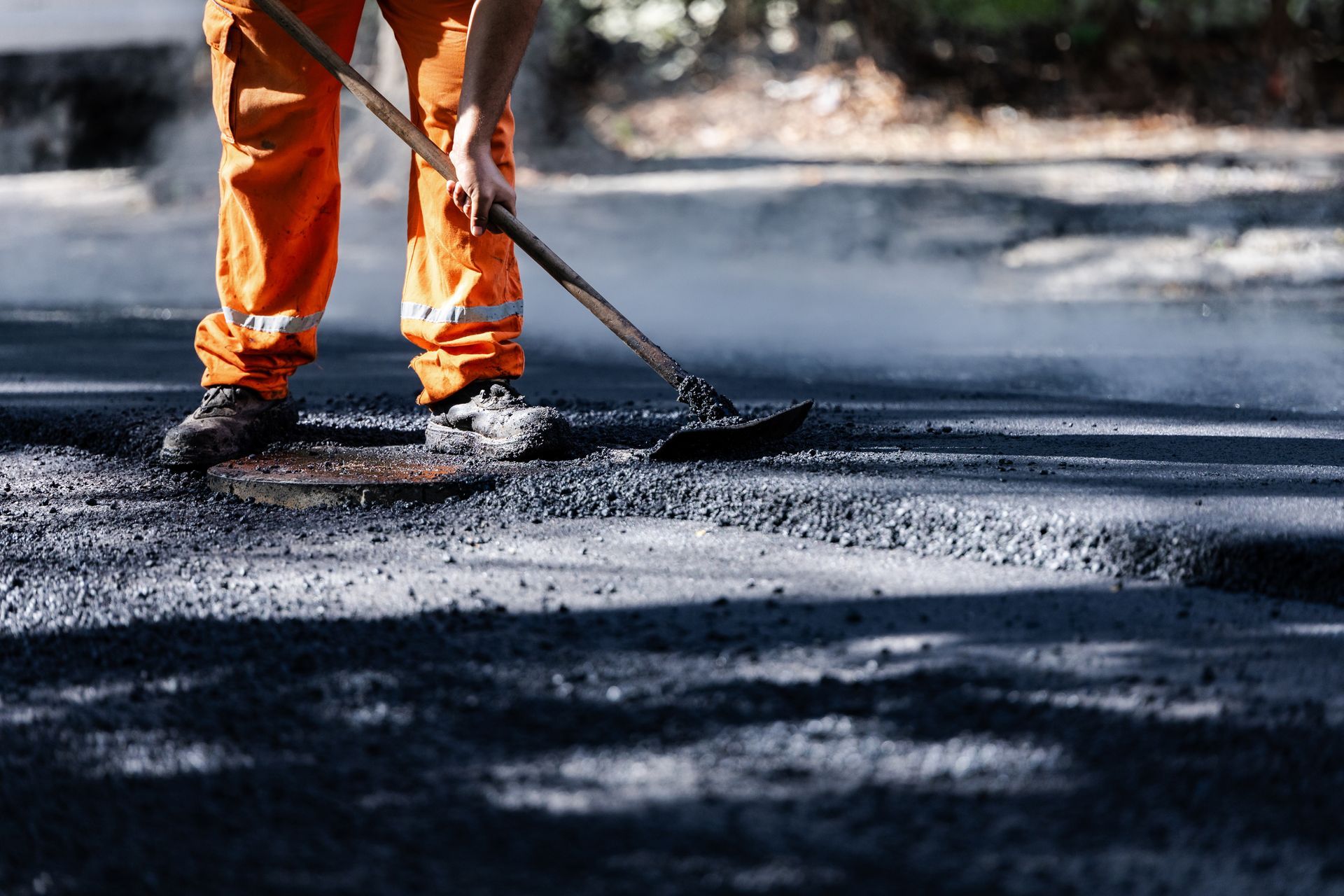
Resurfacing, sometimes called an overlay, means applying a fresh layer of hot-mix asphalt over your existing pavement. The base and sub-base remain untouched as long as they are structurally sound.
Full replacement means tearing out the existing asphalt entirely, addressing the base material, and paving from scratch. It is a more involved process that may include grading, drainage corrections, and compacted sub-base work.
The right choice depends on the condition beneath the surface. Many Windsor and Enfield property owners are surprised to learn that a base inspection is the first step before any recommendation can be made.
How Does Connecticut's Freeze-Thaw Cycle Affect Your Pavement?
Windsor, CT, and Enfield, CT, sit in Hartford County, where temperatures routinely dip below freezing from November through March. Water seeps into surface cracks, freezes, expands, and contracts repeatedly across the season.
This freeze-thaw cycling weakens the aggregate base beneath the asphalt. Once the base is compromised, a resurfacing overlay will not hold up on an unstable foundation. Properties that went unrepaired through multiple winters often present with alligator cracking, which signals base failure rather than surface wear alone.
Drainage compounds the problem. Many parking lots and driveways along the Route 75 and Route 140 corridor face standing water after heavy rain. Scheduling asphalt resurfacing services in Windsor, CT, before drainage problems are resolved is a common mistake that shortens the lifespan of a new overlay.
What Is Alligator Cracking and Why Does It Matter?
Alligator cracking is a pattern of interconnected cracks resembling reptile skin. It typically signals that the base layer has lost structural integrity. When this pattern covers large sections of pavement, resurfacing may only delay the problem by a season or two. A base evaluation is the recommended next step before deciding on any repair approach.
Can Resurfacing Work if There Are Potholes?
Minor isolated potholes can often be patched before resurfacing begins. Widespread pothole damage, especially potholes that return in the same spots, may indicate recurring base failure. Learn more about professional asphalt patching services that can serve as a precursor to a resurfacing or replacement evaluation.
The Decision Checklist for Windsor and Enfield Property Owners
Pavement Age: If your pavement is under 15 years old and has been maintained, resurfacing may extend its useful life. Approaching or past 25 years, a full replacement evaluation often makes more sense.
Extent of Surface Damage: Minor cracking, fading, and limited raveling are good candidates for resurfacing. If more than 30 to 35 percent of the surface shows deep distress, replacement may be more cost-effective over a 10-year horizon.
Base Condition: This is the single most important factor. A solid, well-compacted base can support an overlay. A compromised base cannot. Probing soft spots or taking a core sample confirms what is happening below the surface.
Drainage Performance: Standing water after a rainstorm is a sign that drainage may need correction alongside any paving work.
Budget Timing: Resurfacing carries less upfront cost when the base is sound. Full replacement has a higher upfront scope but may reduce total repair cycles over two decades. Contact the team at (860) 966-3843 or visit the Connecticut site contractors page to compare both scenarios for your property.
When Resurfacing Makes Sense
Resurfacing is the practical choice when the base is structurally intact with no soft spots or widespread alligator cracking, surface distress is limited to oxidation or minor cracking, the pavement is less than 20 years old, and no major drainage corrections are needed.
Commercial parking lots off Day Hill Road in Windsor, CT, or along Hazard Avenue in Enfield, CT, often fit this profile after natural weathering from Hartford County winters. These are exactly the properties where asphalt resurfacing services in Windsor, CT, deliver strong value without the cost of a full tear-out.
When Full Replacement Is the Right Call
Full replacement makes more sense when the base has failed due to widespread alligator cracking, soft areas, or recurring potholes; the pavement is more than 25 years old and has never been milled or replaced; drainage requires significant regrading or new sub-base work; or multiple previous overlays have already pushed the surface height near curb limits.
A contractor experienced in asphalt resurfacing services in Windsor, CT, will conduct an honest base assessment and recommend full replacement only when the data supports it.
Get a Professional Assessment Serving Windsor and Enfield, CT
Northeast Property Construction Service LLC serves Windsor, CT, and Enfield, CT, with over 20 years of pavement experience on commercial and industrial properties across Hartford County. The team assesses your base condition, reviews drainage, and walks you through whether asphalt resurfacing services in Windsor, CT, or full replacement best fits your property's needs.
Call
(860) 966-3843 or visit our
contact page for a no-obligation quote. You can also find
Northeast Property Construction Service LLC on Google to read reviews from local Hartford County clients before you reach out.
Recent Posts